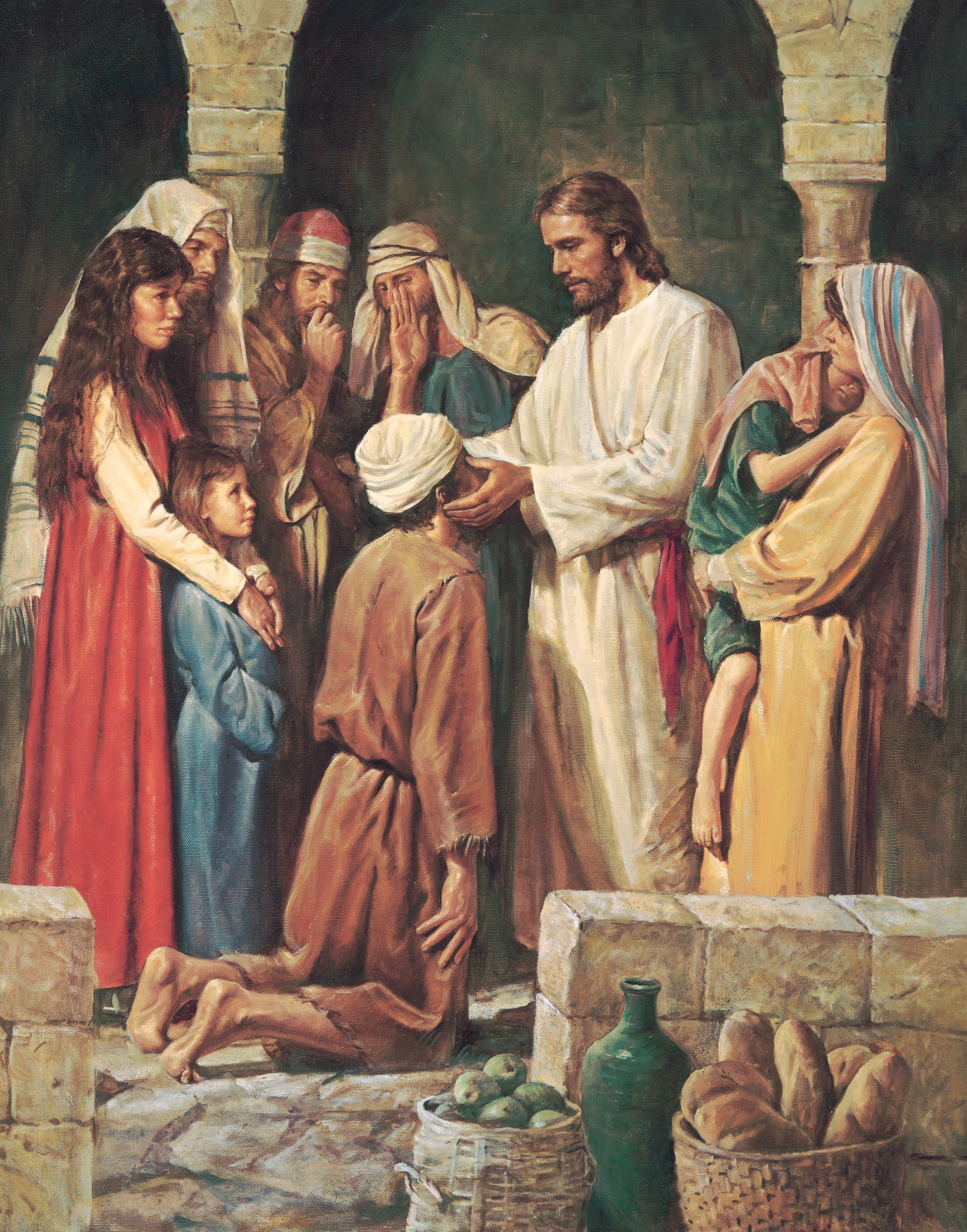
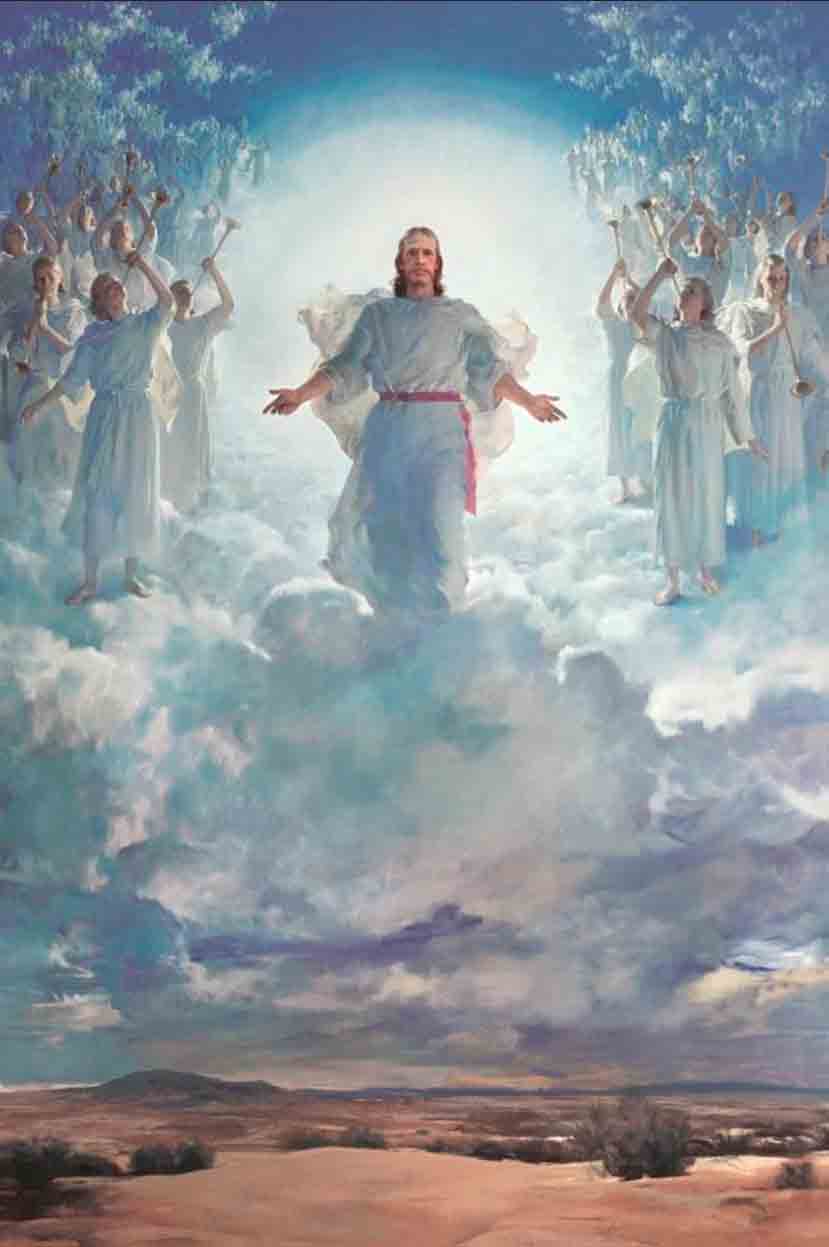
Have I done any good in the world today?
Have I helped anyone in need?
Have I cheered up the sad and made someone feel glad?
If not, I have failed indeed.
LDS Hymns, no. 223
Sunday, May 03, 2026
Ancient Tabernacle
“Holiness to the Lord”: Why It Matters Today
The scripture block for April 27–May 3 (Exodus 35–40; Leviticus 1, 4, 16, 19) can feel, at first glance, highly procedural—filled with architectural details, ritual instructions, and laws that seem distant from modern life. But that reading would miss the central doctrinal thrust. These chapters are not primarily about ancient practices; they are about transformation. They answer a fundamental covenant question: How does God turn a people recently freed from bondage into a holy people prepared to live in His presence?
From Deliverance to Transformation
The Exodus from Egypt was only the beginning. Deliverance from physical captivity did not automatically produce spiritual holiness. The Lord’s stated objective was much higher: “Ye shall be holy: for I the Lord your God am holy” (Leviticus 19:2). That is not a symbolic expectation—it is a covenantal requirement tied directly to entering God’s presence.
To accomplish this, the Lord established three interlocking systems:
Sacred Space (the tabernacle)
Sacred Practice (ordinances and sacrifice)
Sacred Living (commandments and covenant behavior)
Each of these was designed to orient Israel toward Jesus Christ, the only source of true holiness.
The Tabernacle: A Pattern for Returning to God
The tabernacle was more than a place of worship—it was a theological map. Its structure (outer courtyard, holy place, and Holy of Holies) represented increasing proximity to God’s presence . Movement through that space symbolized the spiritual journey of every disciple.
Every object inside the tabernacle reinforced this pattern:
The altar of sacrifice taught that forgiveness requires atonement.
The laver taught that spiritual cleansing is required before entering holy space.
The candlestick symbolized divine light—ultimately fulfilled in Christ.
The altar of incense represented prayer ascending to God.
The veil represented separation from God—and the means of return through Christ.
The ark of the covenant symbolized God’s throne and covenant relationship.
These were not random ritual elements; they were a symbolic curriculum pointing Israel toward the Savior. As your source material notes, the entire system was designed to teach “their journey through life and back to the presence of God” .
For Latter-day Saints, the connection is direct. The tabernacle is an ancient prototype of the temple. The same doctrinal logic applies: we move from the world toward God through covenants, ordinances, and the enabling power of Jesus Christ. The symbolism is not outdated—it is continuous.
Sacrifice: From the Offering to the Offerer
Leviticus can be difficult because of its emphasis on sacrifice. Yet this is where the doctrine becomes most explicit. Ancient sacrifices were not ends in themselves; they were types and shadows of Christ’s Atonement.
The Day of Atonement (Leviticus 16) illustrates this clearly:
Blood was taken through the veil into the presence of God.
A scapegoat symbolically carried away the sins of the people.
Both acts pointed forward to Jesus Christ, who would actually bear sin and open the way back to the Father. The text is explicit: these rituals taught that sin must be removed for God’s presence to remain among His people.
Importantly, sacrifice did not disappear—it evolved. After Christ’s Atonement, the focus shifted “from the offering to the offerer” . Today, disciples are commanded to offer “a broken heart and a contrite spirit” (3 Nephi 9:20).
This is where the doctrine becomes personally relevant. Holiness is not achieved through external compliance alone. It requires internal surrender.
A Willing Heart: The Foundation of Covenant Living
Exodus 35–36 introduces a critical principle often overlooked: the Lord required offerings, but He emphasized willingness. The people gave “with a willing heart.”
This matters doctrinally. God is not building structures—He is shaping disciples. The tabernacle itself was constructed from consecrated offerings, symbolizing that holiness is built from voluntary devotion, not compulsion.
For a modern Latter-day Saint, this translates directly into:
How we approach callings
How we give time and resources
How we engage in covenant responsibilities
The Lord is still asking for offerings—but they are expressed in agency-driven consecration.
Holiness in Daily Life: Leviticus 19
If Exodus teaches symbolic holiness, Leviticus 19 teaches applied holiness. The commandments in this chapter are strikingly practical:
Care for the poor
Honesty in dealings
Respect for parents
Moral discipline
Love for neighbor
Holiness is not confined to sacred space. It is demonstrated in everyday behavior. This resolves a common misunderstanding: temple worship does not replace daily discipleship—it intensifies accountability for it.
Why This Matters Today
For an LDS audience, the relevance is immediate and doctrinally central.
1. It clarifies the purpose of the temple.
The temple is not just a place for ordinances; it is part of the same divine pattern established in Exodus. It teaches how to return to God through Christ.
2. It reframes repentance.
Leviticus shows that atonement has always required intentional participation. Today, repentance is the lived expression of offering a broken heart.
3. It defines holiness as a process, not a status.
Israel was not instantly holy after leaving Egypt. Likewise, modern disciples are in a process of refinement. Holiness is developed through covenant fidelity over time.
4. It emphasizes Christ as the center.
Every symbol in the tabernacle and every act of sacrifice points to Jesus Christ. Without Him, the system collapses. With Him, it becomes transformative.
5. It reinforces covenant identity.
“Holiness to the Lord” was engraved on the high priest’s crown. Today, it is effectively engraved on the lives of covenant members. It defines who we are and how we live.
Conclusion
These chapters are not relics of an obsolete religious system. They are foundational texts that explain how God prepares His people to live in His presence. The tabernacle teaches the path. Sacrifice teaches the cost. The commandments teach the lifestyle.
For Latter-day Saints, the message is direct: leaving “Egypt” (sin, distraction, worldliness) is not enough. The objective is to become holy through Jesus Christ.
Here is a clear visual representation of the ancient tabernacle from the time of Moses, showing its layout and key elements:
The Ancient Tabernacle (Wilderness Layout)
6
How to Read This Image
The structure is organized in increasing levels of holiness as one moves inward:
1. Outer Courtyard
Altar of Sacrifice: Where offerings were made (symbol of Christ’s sacrifice)
Laver (Basin): Used for washing (symbol of spiritual cleansing)
2. Holy Place (Tent Interior – First Room)
Candlestick (Menorah): Represents divine light
Table of Shewbread: Represents God’s provision and covenant
Altar of Incense: Represents prayers ascending to God
3. Holy of Holies (Innermost Room)
Ark of the Covenant: Symbol of God’s presence
Separated by the veil, representing the boundary between God and man
Doctrinal Insight
This layout is not just architectural—it is theological. It visually teaches the progression:
Sacrifice → Cleansing → Light → Prayer → Presence of God
For Latter-day Saints, this pattern directly parallels temple worship and the covenant path: moving from the world toward the presence of God through Jesus Christ.
Understanding the Lord’s Promise to Remember Our Sins No More and the Role of Repentance in Forgetting
By John Fisher (assisted by AI)
Introduction In his October 2025 General Conference address “The Atoning Love of Jesus Christ,” Elder Neil L. Andersen of the Quorum of the Twelve Apostles taught powerfully about the Savior’s promise of forgiveness and the healing available through Jesus Christ’s Atonement. Elder Andersen emphasized that forgiveness and healing are divine gifts available to all who come unto Christ with faith, honesty, and sincere repentance. His message provides both reassurance and practical counsel for those asking the heartfelt question: “How can I be assured that I am forgiven?”
This article explores Elder Andersen’s teachings on forgiveness, the Lord’s promise that He will “remember [our] sins no more,” and how we can work with the Lord to truly leave our past sins behind as we press forward in faith.
Summary of Elder Andersen’s Message Elder Andersen taught that healing and forgiveness are each found in their fullness in the atoning love of Jesus Christ. True forgiveness is a miracle awaiting all who earnestly desire to repent and follow the Savior. The process involves turning from sin, strengthening faith in Christ, and exercising honesty with God and others. Reconciliation and restitution where possible are part of the healing journey, but full forgiveness ultimately comes from the Savior through His grace.
Key Quotes from the Talk
“Healing and forgiveness are each found in their fullness in the atoning love of Jesus Christ.”
“If you have committed serious sins … please know this miracle is awaiting you. The Savior continuously calls, ‘Come unto me.’”
“Turning from sin, turning toward God, and strengthening your faith in Jesus Christ are a beautiful beginning.”
“Forgiveness is a divine gift offered through the grace of Jesus Christ.”
“In the Lord’s time, you will feel His voice telling you, ‘Let these things trouble you no more.’” (referencing the Lord’s promise that He will remember our sins no more)
Questions to Ponder Further
What does it mean to come unto Christ in the context of seeking forgiveness?
How can strengthening my faith help me feel assured that I am forgiven?
In what ways can honesty with Heavenly Father, myself, and others bring me closer to peace and forgiveness?
How do I reconcile the Lord’s promise to “remember [my] sins no more” with my struggle to forget past mistakes?
What steps can I take today to repair what has been broken and seek healing for those I may have hurt?
Conclusion Elder Andersen’s message reminds us that the Atonement of Jesus Christ is both powerful and personal. Assurance of forgiveness is grounded in faith, repentance, and the grace of the Savior who promises that, as we come unto Him, our sins can be taken away and “…the guilt [will be] removed from [our] heart through the merits of His Son.” Recognizing that forgetting past sins is part of the Savior’s healing process, we are invited to trust in His timing, rely on His grace, and continue pressing forward with a contrite heart to experience the joy and peace that forgiveness brings.
Every one of us longs for a fresh start—a moment when we can lay down what weighs on our hearts and begin again with hope. In his powerful General Conference message “Jesus Christ and Your New Beginning,” Elder Patrick Kearon teaches that new beginnings are not rare spiritual privileges reserved for the few; they are the very heart of the gospel of Jesus Christ. Through Him, every one of us—no matter our history, weaknesses, or discouragements—can rise again. Even me. Even you.
Summary of Elder Kearon’s Message
Elder Kearon begins by highlighting a profound scriptural understatement: “Jesus went about doing good.” This simple phrase cannot contain the immeasurable compassion, mercy, power, and goodness of the Savior’s earthly ministry. He touched the untouchable, lifted the broken, forgave the sinner, healed the sick, and raised the dead. To every person He encountered, the Savior offered a new beginning.
These new beginnings are not limited to ancient stories. Elder Kearon teaches that Jesus offers the same new beginnings to us—every day, every week, and every moment when we turn toward Him. Baptism, covenants, repentance, sacrament, and enduring faith are pathways through which He invites us to “walk in newness of life.”
Repentance, Elder Kearon reminds us, is not meant to be a fearful concept. It is joyful. It is hopeful. It is a daily gift that opens the door to change. Through Jesus Christ, we can shed old patterns and rise with renewed spirit—even when we feel stuck, discouraged, or imperfect.
Five Quotes That Illuminate the Message
“All of us can have a new beginning through, and because of, Jesus Christ. Even you.”
“He is the very essence—and source—of goodness!”
“Jesus gives us as many new beginnings as we need.”
“You don’t have to be who you’ve been before.”
“New beginnings are at the heart of the Father’s plan! Fresh starts are the mission of the Son!”
Personal Application: My Own Need for New Beginnings
As I reflect on Elder Kearon’s message, I feel the Savior’s invitation deeply. I have places in my life where I need new beginnings—where I long for His forgiveness, strength, and renewing grace. Like many, I stumble in familiar ways and sometimes feel weighed down by the very patterns I want to overcome. Elder Kearon’s message reminds me that Christ does not tire of offering new starts, even to me.
My Personal Need for Renewal
Writing and Research Goals:
I often feel discouraged when I don’t meet my personal writing and research goals. The gap between what I want to accomplish and what I actually do sometimes leaves me overwhelmed. I need a new beginning—one grounded in discipline, compassion for myself, and Christ’s enabling power.
Scripture Study and Prayer:
I don’t study the scriptures or pray as consistently as I should. I know the peace and clarity these habits bring, yet I drift. The Savior offers me the chance to begin again—to rebuild spiritual habits one quiet moment at a time.
Type 2 Diabetes and Healthy Eating:
I struggle with my eating and diet. I put on weight and reach for unhealthy snacks. I know better, and yet I fall back into old patterns. The Lord invites me to a fresh start—not just to “try harder,” but to let Him strengthen my desire for health and self-mastery.
Emotional Responses and Relationships:
When discouraged, I sometimes become grumpy or irritable. I react in ways that hurt my dear sweetheart wife—who deserves affection, gentleness, kindness, and love. I need a new heart. I want to replace impatience with warmth, worry with gratitude, and frustration with kindness.
Replacing Old Habits with New Ones:
Elder Kearon teaches that we really can become new creatures in Christ. I feel that truth. I need new habits—habits that nourish my body, deepen my spirit, and strengthen my relationships. The Savior does not expect me to change alone. His grace is the power that makes lasting change possible.
What I Know Because of Jesus Christ
Because of the Savior, my failures are not final.
Because of Him, my weaknesses do not define me.
Because of Him, every day is a new dawn, a new beginning.
Conclusion: A Hopeful and Encouraging Future
Elder Kearon ends with a reminder that the greatest new beginning in history occurred when Jesus Christ rose from the tomb. Through His Resurrection and Atonement, every one of us can rise—from sin, from discouragement, from unhealthy habits, from fear, from spiritual fatigue, from emotional struggle.
There is no “too late.” There is no “too many times.”
The Savior offers a new beginning today—right now.
With His help, I can change. You can change.
We can walk forward with hope, courage, and confidence that Jesus Christ—the Author and Finisher of our faith—will walk beside us as we take every small, imperfect step toward Him.
New beginnings are real. They are personal.
And they are available as often as we need them.
Lessons about the Savior from the Handcart Companies
Image:history.lds.org
The Ultimate Rescue:
How the Atonement of Jesus Christ Saves Us
By John Fisher (assisted by AI)
In his April 2025 General Conference address, Elder Quentin L. Cook of the Quorum of the Twelve Apostles delivered a powerful message titled “The Atonement of Jesus Christ Provides the Ultimate Rescue.” Drawing from pioneer history, sacred temple experiences, and personal reflections, Elder Cook reminded listeners that amidst life’s storms and sorrows, Jesus Christ offers the only true and eternal rescue—through His Atonement.
Summary
Elder Cook centered his message on the incomparable saving power of the Atonement of Jesus Christ. Using the dedication of the Casper Wyoming Temple as a backdrop, he reflected on pioneer stories, especially the heroic rescue of the Willie and Martin handcart companies. Their suffering and eventual salvation mirrored our own spiritual journey—riddled with adversity but redeemable through Christ. Elder Cook reminded us that while mortal life contains pain, loss, and unfairness, the Savior’s Atonement offers healing, hope, and joy. He issued three calls to action: help rescue others spiritually and physically, accept the Savior’s Atonement with gratitude and optimism, and make time to reflect on His sacrifice—especially through temple and sacrament attendance.
Five Quotes from the Talk
1.“As we turn to Jesus Christ, the Savior of the world, He rescues us from the storms of life through His Atonement.”
2.“All must pass through a refiner’s fire, and the insignificant and unimportant in our lives can melt away like dross and make our faith bright, intact, and strong.” – President James E. Faust
3.“We must never forget the sacrifices and examples of prior generations, but our adulation, appreciation, and worship should be centered on the Savior of the world and His atoning sacrifice.”
4.“The Atonement provides hope and light at a time that for many seems dark and dreary.”
5.“The key to the Father’s plan of happiness is the Atonement wrought by our Savior, Jesus Christ.”
Conclusion
Elder Cook’s message is both timeless and timely. It invites us to trust in Jesus Christ as the source of true rescue—not only from sin and death but from daily discouragement and sorrow. Just as rescuers saved pioneers stranded in harsh winters, the Savior stands ready to lift us from spiritual and emotional storms. His Atonement isn’t a distant theological concept; it’s a deeply personal act of love. By embracing that love, we find purpose, strength, and peace.
Suggestions for Follow-up
1.Reflect weekly on the Atonement of Jesus Christ during sacrament meetings or in personal study.
2.Visit the temple regularly if possible, and consider ways to extend the blessings of the Atonement to deceased ancestors.
3.Study pioneer stories to draw strength from the faith and endurance of early Saints.
4.Perform acts of rescue by ministering to those in need—physically, emotionally, or spiritually.
5.Keep a gratitude journal focused on ways the Savior has rescued you personally.
In his April 2025 General Conference address, “Eternity’s Great Gifts: Jesus Christ’s Atonement, Resurrection, Restoration,” Elder Gerrit W. Gong of the Quorum of the Twelve Apostles delivers a tender and powerful message about the depth of the Savior’s love. He helps us see that through Jesus Christ, we receive eternal gifts—peace, transformation, and a deep sense of belonging. Elder Gong draws on personal experiences, scriptural testimony, and global perspectives to invite each of us to embrace the Savior’s life-changing grace.
Summary:
Elder Gong’s message centers around the three eternal gifts of Jesus Christ: His Atonement, His Resurrection, and the Restoration of His Church. Through stories of sorrow and joy, he reminds us that Jesus understands our tears—whether of grief or joy—and is with us in our most vulnerable moments. The Savior weeps with compassion, just as He rejoices in our faith and spiritual victories.
Elder Gong shows how these divine gifts bring healing to our relationships, freedom from sin, relief from perfectionism, and restoration of all that was lost or broken. He weaves global experiences and scriptural connections, including insights from Easter, Passover, and the Restoration on April 6, to show how these events converge in eternal harmony. His message reminds us that we all share divine identity and a common invitation to come unto Christ.
Five Quotes:
1.“When our tears flow, we sometimes apologize, embarrassed. But knowing that Jesus Christ understands life’s pains and joys can give us strength beyond our own.”
2.“In all good things, Jesus Christ restores abundantly—not only what was but also what can be.”
3.“Easter in Jesus Christ helps us mend, reconcile, make right our relationships, on both sides of the veil.”
4.“Because God our Father loves all His children in every age and land, we find His loving invitation to come find peace and joy in Him in many traditions and cultures.”
5.“We rejoice in the garments of salvation and the robe of righteousness. We shout, ‘Hosanna to God and the Lamb!’”
Conclusion:
Elder Gong’s message is one of profound hope. No matter our circumstance—grief, regret, separation, or yearning—we can find peace in Jesus Christ. His Atonement heals, His Resurrection gives hope beyond death, and His Restoration opens the way for every soul to receive eternal blessings. Christ understands our human experience and walks with us, helping us become whole.
Suggestions for Follow-Up:
•Reflect on times when you felt the Savior near during personal sorrow or joy. Write them down and consider sharing your testimony.
•Read John 11 and 3 Nephi 17 to feel Christ’s compassion and presence in times of weeping and rejoicing.
•Attend the temple or prepare to go, remembering the eternal joy of being with loved ones.
•Share Elder Gong’s talk with a friend or family member who may need reassurance of Christ’s love and the promise of restoration.
•Consider how the Restoration blesses your daily life and renew your covenant commitment through prayer and scripture study.
Keywords:
Atonement, Resurrection, Restoration, Easter, Jesus Christ
In a stirring address, President Russell M. Nelson, President of The Church of Jesus Christ of Latter-day Saints, reaffirmed a profound truth: the answer to life’s challenges, questions, and uncertainties is found in the life and teachings of Jesus Christ. His message invites all to draw closer to the Savior, embrace His atoning sacrifice, and access the healing power He offers. Delivered with Easter approaching, this address underscores the centrality of Jesus Christ in the Christian faith.
Summary President Nelson began by reflecting on the spiritually enriching messages shared at the conference, highlighting the importance of seeking the guidance of the Holy Ghost to internalize these divine truths. He reminded listeners that Easter celebrates the Savior's Atonement and Resurrection, which make repentance, forgiveness, and eternal life possible.
He emphasized the importance of studying sacred scriptural accounts, including the Savior’s triumphal entry into Jerusalem, His suffering, Crucifixion, Resurrection, and appearances to His followers. President Nelson also urged reflection on Jesus Christ’s appearance to the Nephites in the Americas, pointing to His plea for repentance and His promise of mercy and healing.
Reinforcing the message that Jesus Christ is the answer to all of life’s struggles, President Nelson extended an invitation to “come unto Him” and allow His love and mercy to heal wounds of sin, sadness, and fear. He concluded by linking temple worship to the Savior, emphasizing how temple covenants and ordinances bring unparalleled blessings and draw individuals closer to Christ.
Quotes
“Whatever questions or problems you have, the answer is always found in the life and teachings of Jesus Christ.”
“Savor these sacred verses and find every way you can to thank our Heavenly Father for sending us His Only Begotten Son.”
Jesus said, “Will ye not now return unto me, and repent of your sins, and be converted, that I may heal you?”
“Jesus Christ extends that same invitation to you today. I plead with you to come unto Him so that He can heal you!”
“Jesus Christ is the reason we build temples. Each is His holy house.”
Conclusion President Nelson’s message serves as a timeless reminder that in every season of life, Jesus Christ provides the solutions, healing, and hope we seek. Through His Atonement, His gospel, and the ordinances of His holy temples, He offers a path of progression, peace, and eternal joy. As Easter approaches, may we renew our commitment to follow Him and find solace in His teachings.
In his October 2024 General Conference address, "The Lord Jesus Christ Will Come Again," President Russell M. Nelson emphasizes the urgency of preparing for the Savior's Second Coming. He highlights the accelerated construction of temples worldwide as a divine directive to gather Israel on both sides of the veil and to ready the world for the Lord's return. President Nelson calls upon individuals to prioritize their discipleship, engage in regular temple worship, and deepen their understanding of Jesus Christ's Atonement. He assures that sincere seekers will find the Savior in the temple, receive answers to their deepest questions, and experience profound joy through His gospel.
Summary
President Nelson described the majesty and urgency of the Lord's work in our time, highlighting the unprecedented pace of temple construction. He explained that temples are being built at the Lord's instruction because their blessings are essential for gathering Israel on both sides of the veil. Furthermore, temples prepare a covenant people to help ready the world for the Second Coming of Jesus Christ. President Nelson urged saints to recognize the sacred significance of this moment in hastening the Lord's work.
Quotes
“I pray that we will not miss the majesty of this moment!”
“The Lord is indeed hastening His work.”
“Why are we building temples at such an unprecedented pace?”
“Why? Because the Lord has instructed us to do so.”
“The blessings of the temple help to gather Israel on both sides of the veil.”
“These blessings also help to prepare a people who will help prepare the world for the Second Coming of the Lord!”
“In a coming day, Jesus will return to the earth as the millennial Messiah.”
Concluding his message, President Nelson testifies of the Savior's imminent return and the joy that awaits the righteous. He invites all to rededicate their lives to Jesus Christ, actively participate in gathering Israel, and prepare the world for the Second Coming. He affirms that as individuals fully turn their hearts to the Savior, they will witness the Lord hastening His work and experience the best that is yet to come.
Promises for Temple Attendance
President Russell M. Nelson has extended several promises to those who engage in temple worship and uphold their covenants:
Miracles in Your Life: "I promise you that the Lord will bring the miracles He knows you need as you make sacrifices to serve and worship in His temples."
Personal Revelation and Protection: "Nothing will protect you more as you encounter the world’s mists of darkness. Nothing will bolster your testimony of the Lord Jesus Christ and His Atonement or help you understand God’s magnificent plan more. Nothing will soothe your spirit more during times of pain. Nothing will open the heavens more. Nothing!"
Increased Access to Divine Power: "Each person who makes covenants in baptismal fonts and temples—and keeps them—has increased access to the power of Jesus Christ."
Alma 42 teaches about the relationship between justice and mercy. If there were no laws and consequences for breaking laws, there would be no justice. Without justice God would cease to be God (verse 13). However, without mercy, we would all be in a fallen state. Mercy comes through the grace of Jesus Christ who has atoned for our sins if we will repent and follow him.
21 And if there was no law given, if men sinned what could justice do, or mercy either, for they would have no claim upon the creature?
22 But there is a law given, and a punishment affixed, and a repentance granted; which repentance, mercy claimeth; otherwise, justice claimeth the creature and executeth the law, and the law inflicteth the punishment; if not so, the works of justice would be destroyed, and God would cease to be God.
23 But God ceaseth not to be God, and mercy claimeth the penitent, and mercy cometh because of the atonement; and the atonement bringeth to pass the resurrection of the dead; and the resurrection of the dead bringeth back men into the presence of God; and thus they are restored into his presence, to be judged according to their works, according to the law and justice.
24 For behold, justice exerciseth all his demands, and also mercy claimeth all which is her own; and thus, none but the truly penitent are saved.
The American cultural icon shows justice as blind (and so equitable). However, we soon learn that man's justice is not fair. We are treated differently depending on social class, race, and it seems religion. Justice is also seen as female.
Alma makes justice male and mercy female (in verse 24). God is fair in meting out justice, but loving because he is merciful.
In teaching his son Corianton, Alma addressed some of his concerns about the coming of Jesus Christ. Alma told Corianton that he shouldn't be surprised that God would tell before hand that his Son would come to the earth. After all, Jesus would redeem all his children.
Verse 17 Behold, you marvel why these things should be known so long beforehand. Behold, I say unto you, is not a soul at this time as precious unto God as a soul will be at the time of his coming?
18 Is it not as necessary that the plan of redemption should be made known unto this people as well as unto their children?
19 Is it not as easy at this time for the Lord to send his angel to declare these glad tidings unto us as unto our children, or as after the time of his coming?
We face a similar situation today. People say that we do not need prophets to teach us about Jesus Christ. We have all we need in the Bible. Yet, God loves his children today like in old times. We also are blessed because of the Savior's atonement. Jesus died for us like he died for people of olden times. So would God not be as concerned about his children today as in times past? Would he not reveal his secrets as he did in the past to his servants, the prophets? See Amos 3:7.
God has called living prophets, beginning with Joseph Smith. Through Joseph Smith, God restored the gospel of Jesus Christ and the priesthood authority that allows us to take upon us the name of Christ, repent of our sins, and be redeemed by Christ as were people that lived in his day and that of the ancient apostles.